
Making AI, Humans and Channels Work as One
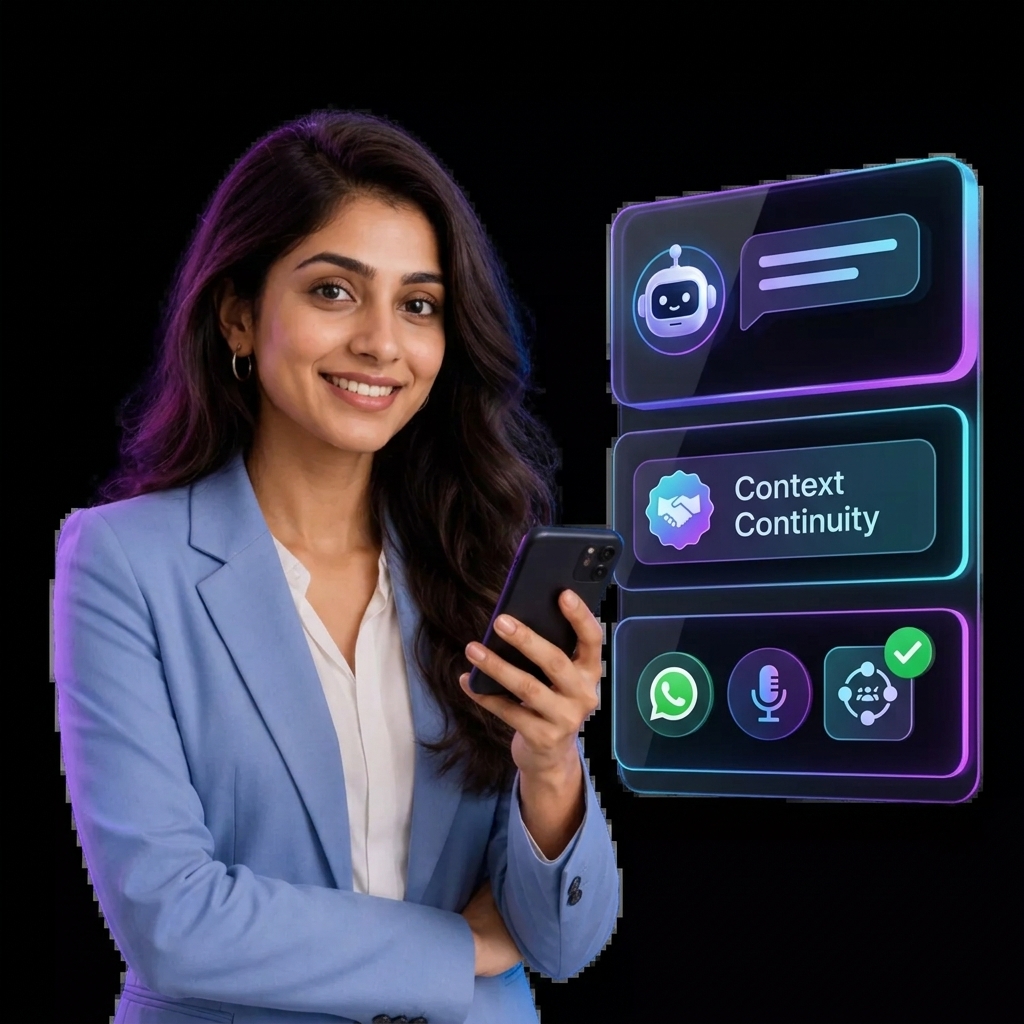
Enterprises are investing in AI, expanding digital touchpoints and modernising contact centres. Yet, despite these investments, customer interactions often remain disconnected.
When systems don't share context, AI cannot always act on previous interactions, human agents lack the information to continue seamlessly, and customers are left repeating themselves.
“The next frontier of customer experience isn't adding more channels or deploying more AI. It's making every interaction work as part of one connected journey.”
40% of support calls are spent identifying the customer and understanding why they're calling.
When customer history, intent and previous actions aren't available at the next touchpoint, interactions become repetitive, agents spend valuable time reconstructing context, and opportunities for faster resolution are lost.
For IT leaders, this raises questions about fragmented systems, data accessibility, integration and the complexity of orchestrating AI across the enterprise.
For CX leaders, it creates a challenge around continuity, customer effort, resolution and consistency across channels.
Both perspectives point to the same underlying problem: context continuity.
How can organisations ensure that customer context travels seamlessly across systems, channels, AI agents and human teams?
This invitation-only roundtable will bring together senior IT and CX leaders from BFSI, Retail, BPO, Mobility and Services to explore how enterprises can move beyond channel integration towards context continuity.
The discussion will examine the technology, workflows and cross-functional alignment required to connect customer interactions, enable seamless AI-human handoffs and deliver more consistent experiences without adding unnecessary complexity.
Five strategic areas where technology, human talent, and workflow orchestration converge.
How can enterprise architecture and integration strategies enable customer context to move across applications, channels and engagement platforms?
How can AI agents and human teams share interaction history, intent and actions to ensure smoother handoffs and more effective resolution?
How can organisations connect fragmented touchpoints and workflows so that every interaction builds on what has already happened?
Who should own context continuity across the enterprise, and how can technology and business teams work together to deliver it?
Beyond AI adoption and channel expansion, which measures can demonstrate progress in customer effort, resolution, operational efficiency and experience consistency?
Identify the gaps across systems, channels, AI and human workflows that create fragmented customer journeys.
Explore the architectural capabilities, information flows and orchestration needed to preserve context across interactions.
Understand how technology, customer experience and operations leaders can align on ownership, priorities and outcomes.
Identify the changes that can help turn disconnected customer interactions into connected, intelligent journeys.
How context continuity directly unlocks customer, operational, and future-state transformation.
Context Continuity across every customer interaction.
Zero Repetition. Customers don’t have to repeat themselves across channels or touchpoints.
Reduced AHT and increased agent productivity through better context and fewer repetitive conversations.
Lower operating costs and improved operational efficiency.
AI-Human Harmony, where AI and human agents work together seamlessly to deliver better customer experiences and business outcomes.
The goal is to move beyond isolated interactions towards customer journeys where every channel, AI agent and human team has the context needed to move the conversation forward.
An invitation-only roundtable for senior IT, digital transformation, customer experience and operations leaders to exchange perspectives, challenge existing approaches and explore what it takes to make AI, humans and channels work as one.
“The next leap in customer experience won't come from adding another channel. It will come from connecting the context behind every interaction.”